Best Kitchen Lighting Design for Function and Ambiance in Your Remodel
- 2 days ago
- 7 min read
The best kitchen lighting design does two things at once: it gives you clear, shadow-free visibility where you need it for cooking and prep work, and it creates an atmosphere that makes the space feel warm and inviting when the knives are put away. Getting both right in a single kitchen requires a layered approach that most homeowners do not think about until the electrician is already on site.

Why Layered Kitchen Lighting Is the Foundation of Great Design
The single biggest mistake in kitchen lighting is relying on one source to do everything. A single overhead fixture or a row of recessed cans provides general illumination, but it creates shadows on your countertops exactly where you need to see clearly, and it produces a flat, clinical atmosphere that makes the kitchen feel more like a workspace than a living space.
The solution is a three-layer lighting system that combines ambient, task, and accent lighting into one cohesive plan. Each layer serves a different purpose, and when they work together, the kitchen transforms from a room that is simply lit into a space that feels designed, intentional, and adaptable to different moments throughout the day.
This layered approach is not a luxury reserved for high-end remodels. It is a fundamental principle of good kitchen design that applies to every budget level, and it is something that should be planned during the design phase rather than added as an afterthought once cabinets and countertops are already installed.
Planning your kitchen lighting as part of a remodel?
Our team will help you build a lighting plan that works with your layout, materials, and daily routine.
How Ambient Lighting Sets the Overall Tone of Your Kitchen
Ambient lighting is the base layer that provides general illumination throughout the entire space. It is what allows you to walk into the kitchen, see everything clearly, and navigate safely without any additional lights turned on. Think of it as the foundation that every other lighting layer builds upon.
Recessed ceiling lights are the most common ambient lighting choice in modern kitchen remodels because they provide even coverage without visual clutter on the ceiling. For most kitchens, four to six recessed fixtures on a dimmer circuit provide excellent ambient coverage. The key is spacing them evenly and positioning them so they illuminate the general floor area and the perimeter of the room without creating hot spots or dark corners.
Flush-mount and semi-flush-mount ceiling fixtures are an alternative for kitchens with lower ceilings or for homeowners who prefer a visible fixture over the minimal look of recessed cans. In kitchens with vaulted or beamed ceilings, the ambient layer may also include fixtures mounted on the beams or directed upward to wash the ceiling with reflected light.
The single most important specification for ambient lighting is dimming capability. A kitchen that is fully bright at seven in the morning during breakfast prep needs to feel completely different at eight in the evening during a dinner party. Dimmers give you that control, and every ambient circuit in a kitchen should have one. The color temperature for ambient lighting should generally fall between 2700K and 3000K, which produces a warm white light that feels residential and inviting rather than cold and commercial.

Why Under-Cabinet Task Lighting Is the Most Important Layer for Daily Cooking
Task lighting is focused illumination directed at the surfaces where you actually work: countertops, the cooktop, the sink, and any dedicated prep areas. Without proper task lighting, even a well-lit kitchen will cast shadows on the exact spots where you need to see most clearly, because your own body blocks the overhead ambient light when you stand at the counter.
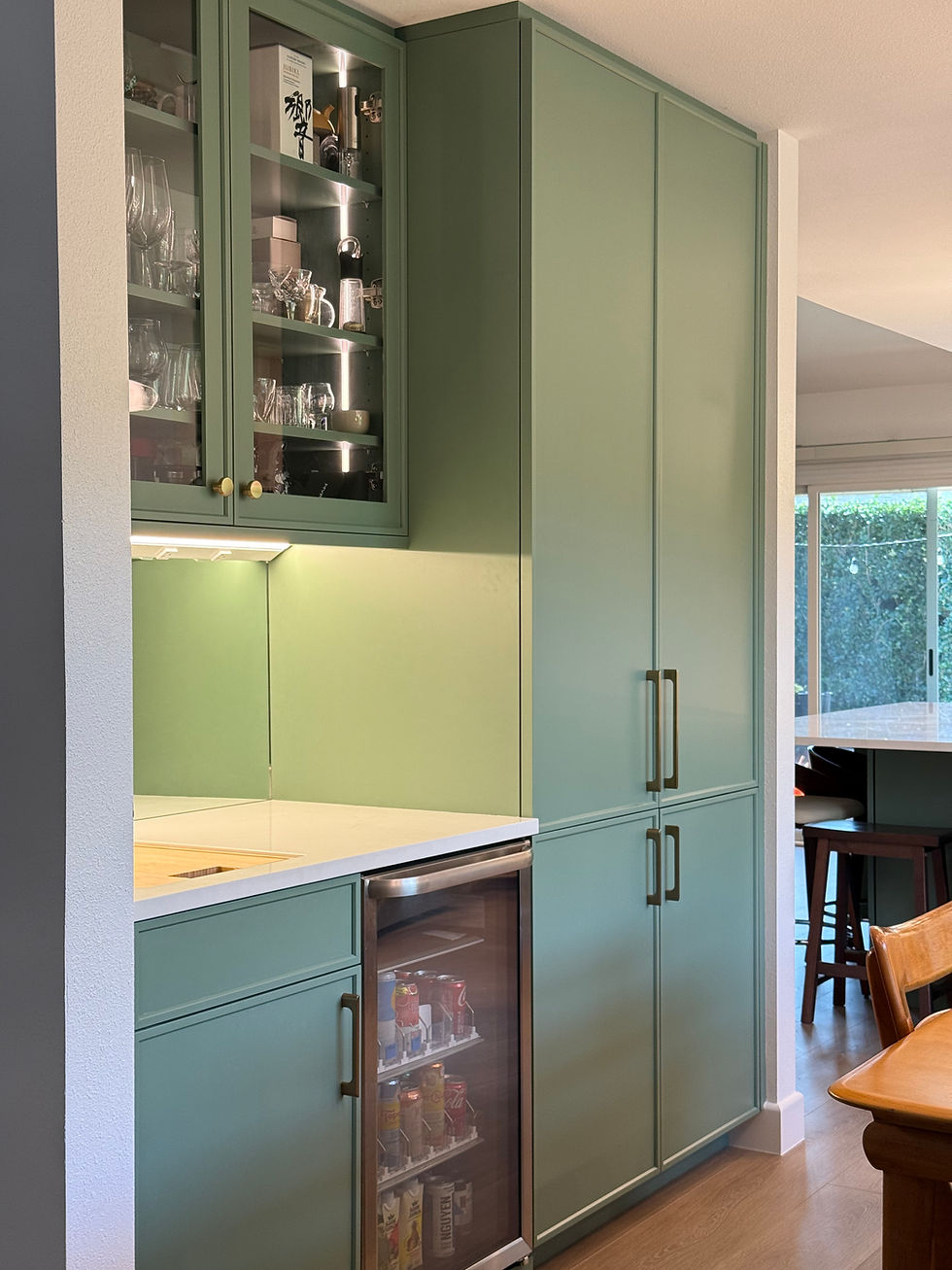
Under-cabinet LED strips are the most effective task lighting solution for kitchen countertops and have become the standard in quality kitchen design. Mounted to the underside of upper cabinets, they cast direct, shadow-free light onto the counter surface below, illuminating the workspace exactly where your hands and your cutting board are.
The placement and quality of under-cabinet lighting matter more than most homeowners realize. The strips should be mounted toward the front edge of the cabinet rather than against the wall to maximize the light spread across the full depth of the counter. Color rendering index, or CRI, is another specification worth paying attention to. A CRI of 90 or above ensures that the light accurately represents the colors of your food, your countertop materials, and your cabinetry finishes. At lower CRI ratings, warm wood tones can look flat, natural stone can appear grey, and food colors become distorted in ways that are subtle but noticeable once you have experienced better light quality.
For the cooktop area, a range hood with integrated lighting provides task illumination directly over the cooking surface. Many premium range hoods include adjustable LED lighting with multiple brightness settings, which serves the dual purpose of illuminating the burners during active cooking and providing a softer glow when the range is not in use.

How Accent Lighting Adds Depth and Personality to Kitchen Design
Accent lighting is the layer that most kitchens are missing, and it is the one that makes the biggest difference in how a space feels emotionally. While ambient and task lighting are functional necessities, accent lighting is what gives a kitchen its atmosphere, its depth, and its sense of being intentionally designed rather than simply equipped with enough light to see.
Interior cabinet lighting is one of the most effective accent techniques available. LED strips installed inside glass-front cabinets transform them into glowing display cases that showcase glassware, ceramics, or collected objects. Above-cabinet lighting, where LED strips are placed on top of the upper cabinets to wash the ceiling with a soft upward glow, adds visual height to the room and creates a warm halo effect that makes the kitchen feel larger and more open.
Toe-kick lighting is a more subtle accent option that places a soft glow at the base of the cabinets near the floor. This is particularly effective in kitchens that open to living or dining areas, where the toe-kick glow creates a gentle visual boundary that defines the kitchen zone without walls. It also serves as a practical nightlight for late-night kitchen visits without requiring the full overhead lights.
Pendant fixtures above an island or peninsula serve a dual role as both task and accent lighting. They provide focused illumination on the work surface below while simultaneously acting as sculptural design elements that anchor the space visually. The general guideline for pendant placement is approximately thirty inches above the countertop surface, though this varies depending on ceiling height, fixture size, and the scale of the island.

What Color Temperature and CRI Mean for How Your Kitchen Looks and Feels
Color temperature and CRI are two specifications that most homeowners overlook, but they have an outsized impact on how every surface, material, and finish in your kitchen appears under artificial light.
Color temperature is measured in Kelvin and determines whether the light appears warm or cool. For residential kitchens, the ideal range is between 2700K and 3000K for ambient and accent layers, which produces the warm white tones that make wood, stone, and painted finishes look their best. Task lighting can go slightly higher, around 3000K to 3500K, for improved clarity and visibility during prep work. Going above 4000K pushes into commercial territory that feels sterile in a home setting and should generally be avoided unless a very specific design intent calls for it.
CRI measures how accurately a light source renders colors compared to natural sunlight, on a scale from 0 to 100. A CRI of 90 or above is the minimum standard for quality kitchen lighting, and anything below 80 will noticeably flatten and distort the appearance of your materials. This matters especially in kitchens with natural stone countertops, hardwood cabinetry, and carefully chosen paint colors, because poor color rendering undermines the investment you made in those materials by making them look duller and less vibrant than they actually are.
When selecting fixtures and bulbs, specifying both the color temperature and CRI upfront ensures that every light source in the kitchen works together to present your materials and finishes the way they were intended to look.

How to Plan Kitchen Lighting Around Your Layout and Daily Routine
A lighting plan should follow the kitchen layout, not the other way around. The placement of every fixture should be determined by where people stand, where they work, and how the space transitions between activities throughout the day.
Start by identifying your primary work zones: the cooktop, the sink, and the main prep area. Each of these needs dedicated task lighting that eliminates shadows and provides clear visibility. Next, map the ambient layer to fill the general space evenly, keeping in mind that recessed fixtures should not be placed directly above where someone stands at a counter, because that creates shadows on the work surface rather than illuminating it.
Accent lighting is planned last, once the functional layers are in place. Look for opportunities to add depth and warmth: inside glass-front cabinets, above upper cabinets, under the island overhang, or along toe-kicks. Each accent source should be on its own dimmer or switch so you can control the atmosphere independently from the functional layers.
For kitchens that open to living or dining areas, the lighting plan also needs to account for how the two spaces interact visually in the evening. Dimming the kitchen lights while the dining area is fully lit allows the kitchen to recede into the background during meals. Bringing the kitchen up to full brightness while dimming the living room reverses the focus during cooking and entertaining. This flexibility only exists if every circuit is on a dimmer, which is why dimming should be treated as a non-negotiable element of the electrical plan from the very beginning.
All new lighting in California must also comply with Title 24 energy code requirements, which mandate high-efficacy LED fixtures throughout the kitchen. Your design team should integrate compliance into the lighting plan from the start so fixture selections are never constrained by code issues discovered later in the process.

Book a Kitchen Design Consultation That Includes a Complete Lighting Plan
At Le Gourmet Kitchen, lighting design is built into every project from the earliest stages of layout planning. We work with our clients to develop a lighting plan that supports their daily cooking routine, enhances the materials and finishes they have chosen, and creates an atmosphere that makes their kitchen feel like the most inviting room in the home.
Whether you are planning a full kitchen remodel or looking to upgrade the lighting in an existing space, schedule a design consultation with our team. We will assess your layout, discuss how you use your kitchen throughout the day, and design a layered lighting system that delivers both the function and the ambiance your space deserves. Visit our showroom at 172 East Main Street in Old Town Tustin to see how thoughtful lighting transforms a kitchen in person.


