What Every Homeowner Should Know Before Choosing Marble Countertops
Marble countertops are one of the most beautiful surfaces you can put in a kitchen, and they are also one of the most debated. If you are considering marble for your Orange County kitchen remodel, the conversation you need to have with yourself is not whether marble looks stunning, because it always does, but whether the maintenance it requires fits comfortably into how you actually live in your kitchen every day.
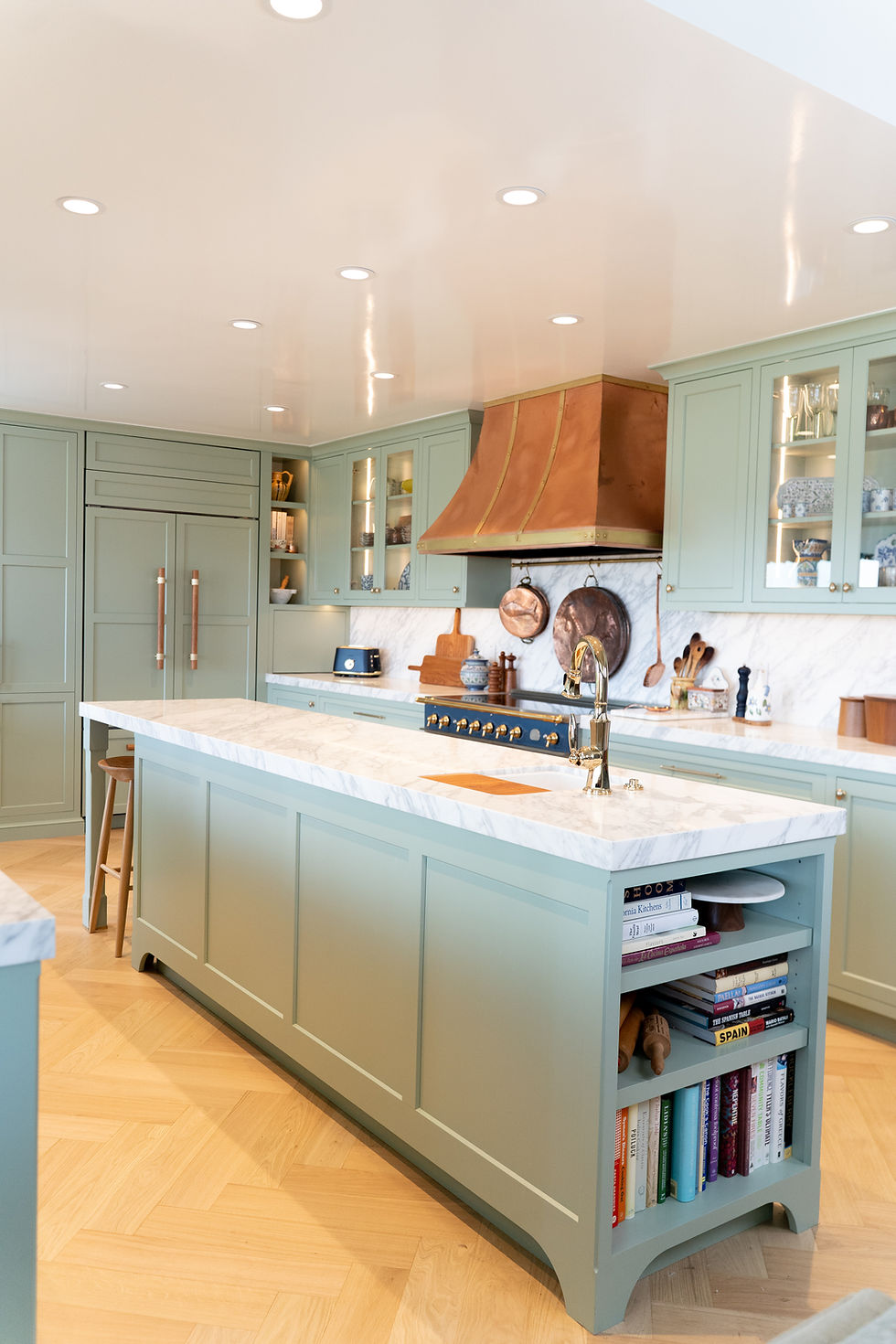
Why Marble Kitchen Countertops Continue to Be One of the Most Desired Materials
Marble has been used in architecture and interior design for thousands of years, and there is a reason it has never fallen out of favor. No engineered material has been able to fully replicate the depth, luminosity, and organic variation that natural marble delivers. The veining patterns in a Calacatta or Carrara slab are formed by geological forces over millions of years, and each slab is genuinely one of a kind.
Beyond aesthetics, marble has practical qualities that many homeowners do not realize. It stays naturally cool to the touch, which makes it an ideal surface for baking and pastry work. It is heat resistant enough to handle a warm pot without damage, though trivets are still recommended. And because it is a natural stone, it carries a sense of permanence and quality that resonates with homeowners who want their kitchen to feel substantial rather than disposable.
The emotional pull of marble is real. When people walk into a kitchen with a beautifully veined marble island, the reaction is almost always immediate. It is the material that makes a kitchen feel like something special, and for many Orange County homeowners, that emotional impact is exactly what they are looking for in a premium remodel.
Considering marble for your kitchen?
Our team will help you choose the right stone, finish, and placement strategy for how you actually use your space
What Etching and Staining Actually Mean for Marble Countertops
The most common concern about marble countertops is maintenance, and the two issues that come up most often are etching and staining. Understanding the difference between them is essential because they are not the same thing, and they require different approaches to prevention and repair.
Etching happens when acidic substances come into contact with the marble surface and chemically react with the calcium carbonate in the stone. Lemon juice, vinegar, tomato sauce, wine, and even some cleaning products can cause etching, which appears as a dull spot or light mark on the surface. Etching is not a stain. It is a change in the surface texture of the stone itself, and it occurs regardless of whether the marble is sealed.
Staining, on the other hand, occurs when a liquid penetrates into the porous surface of the marble and leaves a discoloration beneath the surface. Oil, coffee, red wine, and dark sauces are common culprits. Unlike etching, staining can be significantly reduced through proper sealing, which creates a barrier that slows liquid absorption and gives you time to wipe up spills before they penetrate the stone.
The reality is that marble will show signs of use over time. Some homeowners find this unacceptable, and if that describes you, quartz or quartzite may be better options for your primary work surfaces. But many homeowners, particularly those who appreciate natural materials, view the gradual development of patina as part of the character that makes marble beautiful. The kitchen becomes a living surface that tells a story rather than a showroom piece that demands perfection.

How to Maintain Marble Countertops and Keep Them Looking Their Best
Marble maintenance is not complicated, but it does require consistency. The most important step is sealing. A quality impregnating sealer should be applied when the countertop is installed and reapplied every six to twelve months, depending on how heavily the kitchen is used. Professional sealing typically costs between $100 and $300 for an average kitchen and is one of the most cost-effective ways to protect your investment.
For daily cleaning, warm water and a soft cloth are all you need for most situations. A pH-neutral stone cleaner can be used for more thorough cleaning, but acidic or abrasive cleaners should be avoided completely because they will etch the surface. If a spill happens, wiping it up promptly is the single best thing you can do to prevent both staining and etching.
For etching that has already occurred, honing and polishing by a professional stone restoration specialist can restore the surface. This typically costs $200 to $500 per visit and is generally needed every three to five years in a kitchen that sees regular daily use. Minor scratches can often be buffed out as well, which is one of marble's advantages over engineered surfaces that cannot be refinished.
Choosing a honed finish instead of a polished finish is another practical decision that many experienced designers recommend for kitchen applications. A honed surface has a matte or satin appearance rather than a high-gloss shine, and it hides etching and minor wear significantly better than polished marble. The aesthetic is slightly more casual and contemporary, and for kitchens where daily cooking is a priority, it provides a meaningful reduction in visible maintenance marks.
How Much Marble Countertops Cost in Orange County
Marble countertop pricing in Orange County varies widely depending on the variety, grade, and complexity of the installation. Carrara marble, which is the most common and widely available variety, typically costs between $40 and $100 per square foot installed. It features a white or blue-grey background with soft grey veining and works beautifully in both traditional and contemporary kitchens.
Calacatta marble is at the premium end of the spectrum, with installed costs ranging from $150 to $250 or more per square foot. Calacatta is sourced from a single quarry region in Italy, which limits supply and drives up demand. Its bold white background with dramatic grey and gold veining makes it one of the most visually striking countertop materials available, and it is frequently used as a statement piece on islands or as a full-height backsplash in luxury kitchen designs.
Statuario marble falls between Carrara and Calacatta in both price and visual impact, typically running $100 to $200 per square foot installed. It features a bright white background with bold, defined veining that creates a dramatic effect without the extreme rarity premium of Calacatta.
For a typical Orange County kitchen with thirty to fifty square feet of countertop surface, total installed costs for marble generally range from $5,000 to $15,000 for Carrara and $10,000 to $30,000 or more for Calacatta, depending on edge profiles, cutouts, backsplash coverage, and installation complexity.
Over ten years, ongoing maintenance costs including sealing, occasional professional polishing, and etch repair add approximately $1,500 to $4,000 to the total cost of ownership. This is a meaningful consideration when comparing marble to lower-maintenance alternatives like quartz, but for homeowners who value the material, it is a manageable investment in a surface that only becomes more characterful with time.

When to Use Marble Strategically Instead of Everywhere
One of the most effective approaches to marble in a kitchen remodel is using it selectively rather than as the sole countertop material throughout the space. This allows you to enjoy the beauty and prestige of marble where it has the greatest visual impact while placing a more durable, lower-maintenance material in the zones where spills, stains, and heavy use are most likely.
The most common strategic placement is marble on the island and a more resilient material on the perimeter counters. The island is typically the visual centerpiece of the kitchen and the surface that guests see and interact with most directly, making it the ideal location for a show-stopping slab. The perimeter counters around the cooktop, sink, and primary prep areas handle the heaviest daily wear and benefit from a material like quartz or quartzite that does not etch or stain.
Marble is also an excellent choice for a dedicated baking station, where its naturally cool surface provides a real functional advantage for working with butter, pastry dough, and chocolate. If your household includes a serious baker, a section of marble countertop at the right height for rolling and kneading can be one of the most appreciated features in the entire kitchen.
Full-height marble backsplashes are another way to incorporate marble without subjecting it to heavy countertop use. A backsplash does not endure the same level of spills, cutting, and impact as a work surface, and a large slab behind the range or along an accent wall delivers dramatic visual impact with minimal maintenance exposure.
How to Choose the Right Marble Variety and Finish for Your Kitchen
Selecting the right marble involves more than choosing between Carrara and Calacatta. The grade of the slab, the finish, and the specific piece you select at the stone yard all affect how the material will look and perform in your kitchen.
Marble is graded from A through D based on the slab's structural soundness, consistency of veining, and visual quality. Grade A slabs have the fewest imperfections and the most consistent appearance, while lower grades may have more dramatic variation, natural fissures, or structural inconsistencies that require additional reinforcement during fabrication. For custom kitchen remodels where the countertop is a focal point, selecting a higher-grade slab ensures a cleaner, more refined finished look.
As mentioned earlier, honed finishes are generally recommended over polished finishes for kitchen countertops because they handle daily wear more gracefully. Leathered finishes, which add a subtle texture to the surface, are another option that hides wear well and provides a distinctive tactile quality.
The most important step in choosing marble is visiting the stone yard in person and selecting the specific slab that will be used in your kitchen. Unlike engineered materials, every marble slab is unique, and a small sample cannot accurately represent the scale, movement, and tonal range of the full piece. Your design team should accompany you to the stone yard to help evaluate how the slab's veining and color will work within the context of your cabinetry, flooring, and overall design direction.

Book a Countertop Consultation to See Marble Options for Your Kitchen
At Le Gourmet Kitchen, we work with premium stone suppliers across Southern California and guide our clients through every step of the marble selection process, from understanding which variety fits their lifestyle and budget to selecting the exact slab at the stone yard and coordinating fabrication, templating, and installation.
Whether you are drawn to the timeless elegance of Carrara, the dramatic presence of Calacatta, or a strategic mixed-material approach that places marble where it shines brightest, schedule a design consultation and let our team help you make the choice that feels right for your kitchen and the way you live in it every day.


