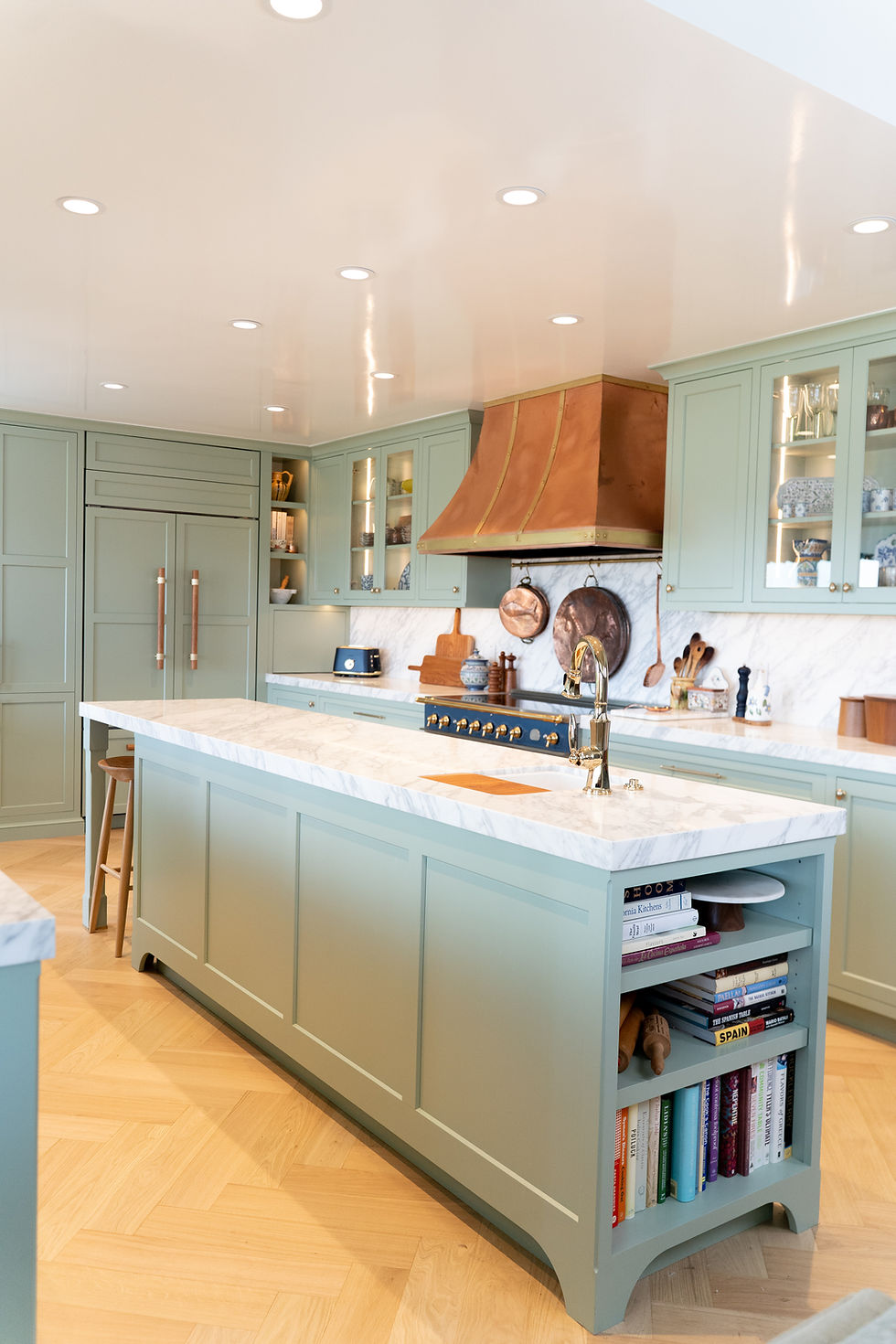
Custom Cabinets for Historic and Estate Homes in San Juan Capistrano
- Jul 4
- 6 min read
Designing custom cabinets for historic and estate homes in San Juan Capistrano requires a different approach than a standard kitchen remodel. The architecture in this part of Orange County carries a weight of history and character that mass-produced cabinetry simply cannot match, and the homes themselves often present structural and dimensional challenges that only fully custom solutions can address.
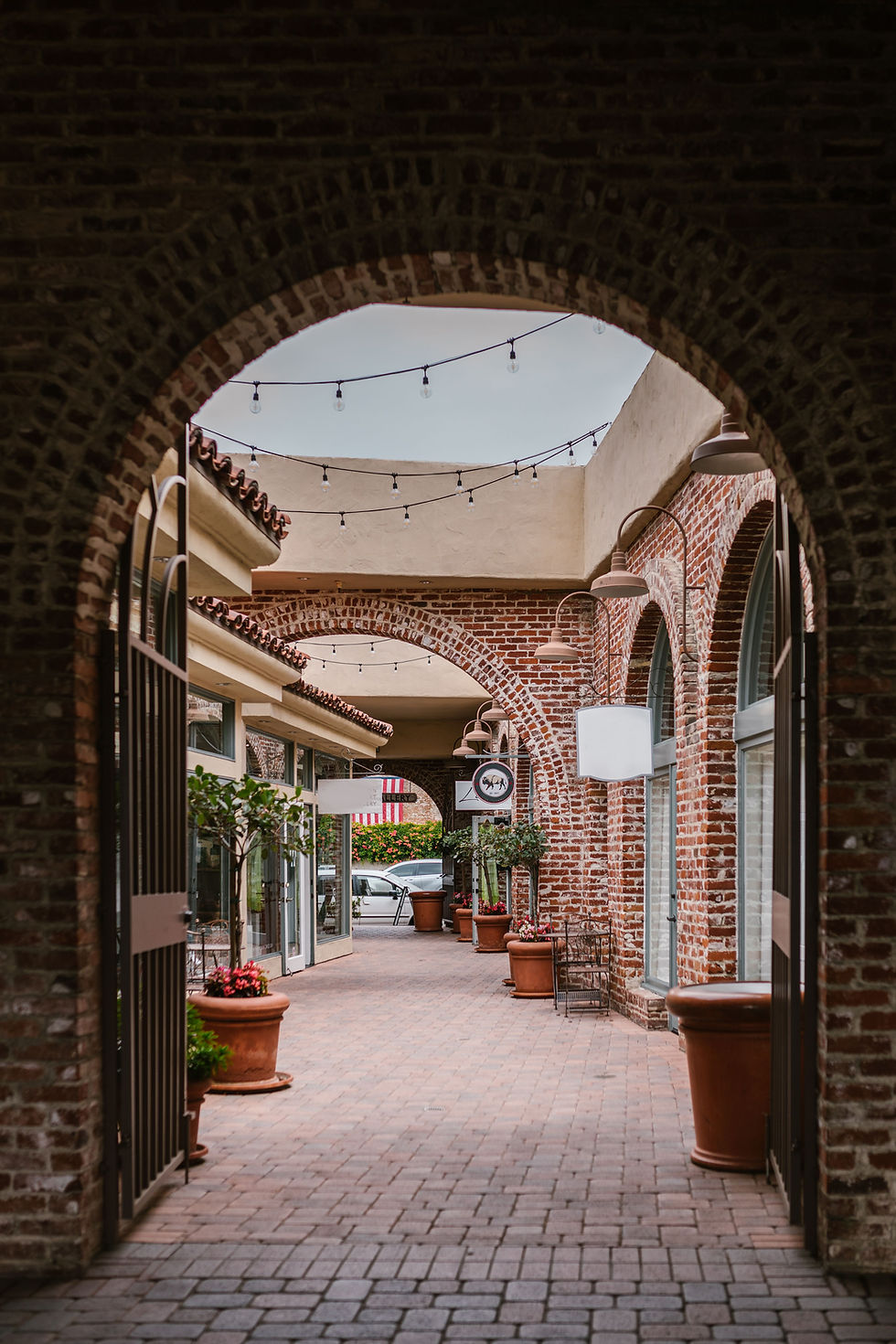
San Juan Capistrano is one of the oldest communities in Orange County, built around the Mission founded in 1776 and shaped by centuries of Spanish Colonial, Mission Revival, Mediterranean, and Craftsman architectural influence. From the adobe homes of the Los Rios Historic District to the sprawling estates in communities like The Hunt Club, Hidden Mountain, and Peppertree Bend, the residential landscape here is defined by thick stucco walls, arched openings, hand-hewn beams, red tile roofs, and interior details that reflect a deep connection to the region's past. A kitchen remodel in one of these homes needs to honor that context while delivering the functionality and craftsmanship that modern living demands.
Why Historic Homes in San Juan Capistrano Need Custom Kitchen Cabinetry
Older homes rarely have standard dimensions. Walls are not always plumb, floors are not always level, and ceiling heights can vary from room to room in ways that modern construction simply does not produce. In a Spanish Colonial or Mission Revival home, you may also be working with arched doorways, deep window recesses, and irregular alcoves that no stock or semi-custom cabinet line can accommodate without visible compromises.
Custom cabinetry solves this by building every component to the exact measurements of the space. If a wall is forty-three and a half inches wide, the cabinet is forty-three and a half inches wide. If a ceiling follows an arched profile, the upper cabinets can be designed to follow that same curve rather than stopping short with a flat top and an awkward gap above. This precision is what allows new cabinetry to look like it has always been part of the home rather than something that was recently installed into it.
Beyond dimensions, historic homes also demand a sensitivity to material and detail that goes beyond choosing a door style from a catalog. The wood species, the finish technique, the hardware, and the proportions of the cabinetry all need to feel consistent with the architectural language of the house. A kitchen in a 1920s Spanish Colonial revival should not look like it was designed for a contemporary open-concept floor plan, and the cabinetry is often what determines whether the renovation feels authentic or out of place.
Renovating a kitchen in a historic or estate home in San Juan Capistrano?
Our team will help you plan cabinetry that fits the architecture and character of your home.

How to Match Custom Cabinet Design to Spanish Colonial and Mission Revival Architecture
Spanish Colonial and Mission Revival are the dominant architectural styles in San Juan Capistrano, and they carry specific design cues that custom cabinetry should respond to. These homes typically feature warm earth-toned palettes, textured plaster walls, wrought iron hardware, hand-painted tile, and exposed wood beams with visible grain and character.
Cabinetry in these kitchens works best when it draws from the same material vocabulary. Solid hardwoods with warm tones like alder, cherry, or quarter-sawn white oak complement the natural warmth of stucco and tile. Finish techniques that allow the wood grain to remain visible, such as stains, glazes, or hand-rubbed wax finishes, reinforce the handcrafted quality that defines this architectural style. Painted cabinets can also work beautifully in these homes, particularly in soft, muted tones that echo the natural landscape of the surrounding hills and coastline.
Hardware selection is another area where the details matter significantly. Iron or bronze pulls and hinges with an aged or hand-forged appearance feel native to Spanish Colonial interiors in a way that polished chrome or brushed nickel simply do not. Custom vent hood enclosures finished in plaster or stucco to match the surrounding walls can serve as a focal point that ties the kitchen directly into the architecture of the rest of the home.
The goal is not to create a museum reproduction. It is to design a kitchen that feels like a natural extension of the home's existing character while incorporating the storage, workflow, and material performance that contemporary living requires.

What Estate Kitchens Require That Standard Remodels Do Not
Estate homes in San Juan Capistrano, particularly those in communities like The Hunt Club, Rancho Madrina, and Hidden Mountain, present a different set of design challenges. These homes are larger, often with kitchens that serve as the central living space for families who entertain regularly, and the expectations for both functionality and finish quality are significantly higher than in a typical residential remodel.
In an estate kitchen, the cabinetry often extends well beyond the cooking area. Custom pantry systems, butler's pantries, beverage stations, bar cabinets, and integrated furniture pieces like built-in banquettes or display hutches are all common elements. Each of these requires its own design consideration, its own material specification, and its own dimensional planning to work seamlessly within the larger layout.
The scale of estate kitchens also means that the cabinetry has to carry visual weight across a much larger space. In a compact kitchen, a simple Shaker door can look elegant and proportional. In a twenty-foot wall of cabinetry, that same door can feel flat and monotonous. This is where custom door profiles, applied moldings, glass-front uppers, and intentional variation in cabinet depths become essential tools for creating a kitchen that feels layered and interesting rather than repetitive.
Appliance integration is another factor that becomes more complex at this scale. Professional-grade ranges, built-in refrigeration, wine storage, warming drawers, and multiple dishwashers all need to be accommodated within the cabinet layout, and the panels, trim, and ventilation solutions around each appliance need to be designed as part of the cabinetry rather than treated as afterthoughts.

How Preservation Guidelines Affect Kitchen Remodeling in Historic San Juan Capistrano Homes
For homeowners in the Los Rios Historic District and other designated preservation areas, kitchen remodels may be subject to architectural review guidelines that govern what can and cannot be changed about the exterior appearance and, in some cases, the interior character of the home. Understanding these requirements early in the design process is essential for avoiding costly revisions or permit complications.
In general, preservation guidelines focus on maintaining the visible architectural character of the home. This can include restrictions on window size and placement, roofline changes, and exterior material alterations. Interior renovations, including kitchen remodels, typically have more flexibility, but in homes with designated historic status, the expectation is that any renovation will be sympathetic to the original design intent of the structure.
From a cabinetry perspective, this means choosing materials, finishes, and design details that are consistent with the period of the home. It may also mean working with custom dimensions to preserve original window placements, arched openings, or other architectural features that a standard cabinet installation might require modifying or covering.
The benefit of working with a kitchen design firm that has experience in historic and estate homes is that these considerations are built into the design process from the beginning rather than discovered as obstacles during construction.

Why Material Selection Matters More in Older and High-End Homes
The materials you choose for cabinetry in a historic or estate home carry more weight than in a newer construction kitchen. These homes have a patina and depth of character that comes from decades or even centuries of aging natural materials, and new cabinetry needs to hold its own alongside that context.
Solid hardwood cabinet boxes and doors are the standard for this level of work. Particleboard and MDF, while common in stock and semi-custom lines, do not age gracefully and do not respond well to the temperature and humidity variations that older homes with less insulation can sometimes experience. Furniture-grade plywood with hardwood veneers is the baseline for cabinet boxes, and solid wood is preferred for doors, drawer fronts, and all visible components.
Finish quality also demands a higher standard. In an estate kitchen where the cabinetry is visible from multiple sight lines across a large open space, any inconsistency in color, sheen, or texture becomes immediately apparent. Hand-applied finishes, whether stained, painted, or glazed, allow for a level of depth and uniformity that production spray lines cannot consistently achieve, and they develop a richer character over time as the wood and finish naturally age together.
Hardware, countertop transitions, crown molding profiles, and baseboard details all need to be coordinated as part of a single cohesive design rather than selected independently. In a home with the architectural pedigree of a San Juan Capistrano estate, every visible joint and transition tells the viewer something about the quality of the work, and getting those details right is what separates a renovation that elevates the home from one that simply updates it.

Schedule a Custom Cabinet Design Consultation for Your San Juan Capistrano Home
Le Gourmet Kitchen has designed and built kitchens for historic and estate homes across San Juan Capistrano and throughout South Orange County. We understand the unique challenges these homes present, from non-standard dimensions and preservation considerations to the elevated material and craftsmanship expectations that come with working in architecturally significant properties.
If you are planning a kitchen remodel in a historic home, a Spanish Colonial revival, or an estate property in San Juan Capistrano, schedule a design consultation with our team. We will assess your space, discuss how custom cabinetry can work within the existing architecture, and help you create a kitchen that respects the character of your home while delivering the quality and functionality you deserve.